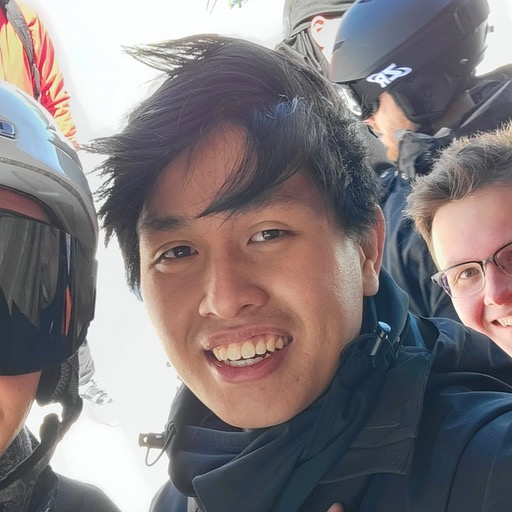
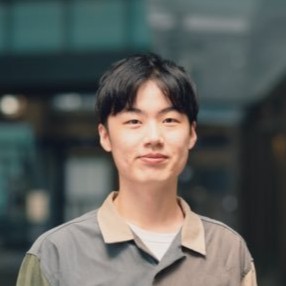
Invited Speakers
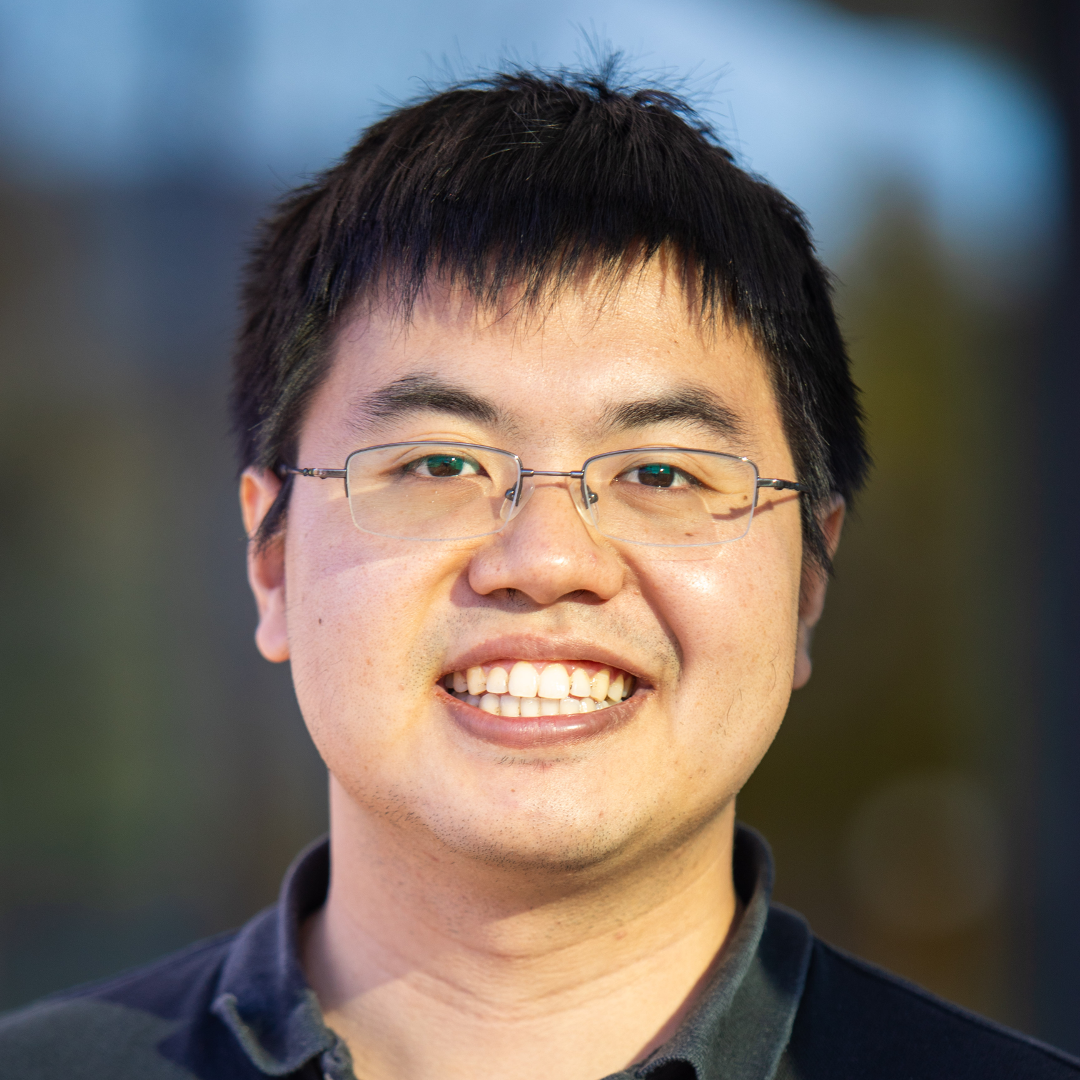
Yilun Du
Harvard University
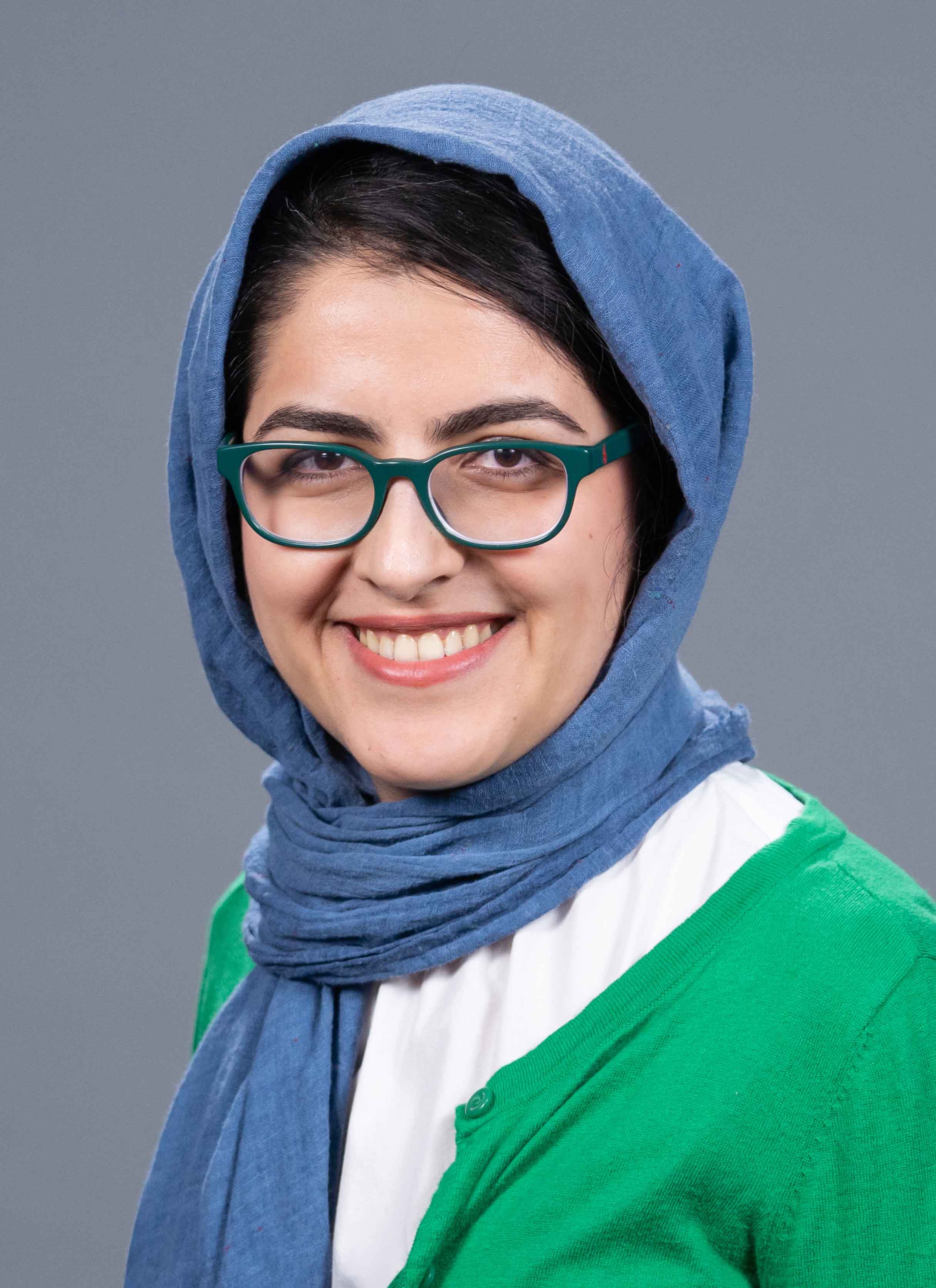
Negar Mehr
UC Berkeley
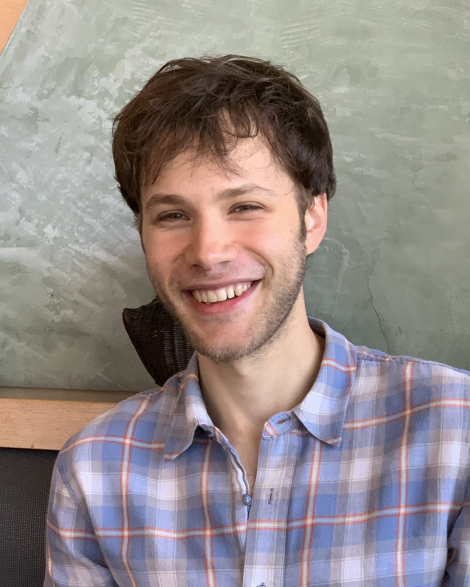
Max Simchowitz
CMU

Ian Manchester
University of Sydney
Meeting ID: 964 5480 6562
Diffusion has established itself as a dominant learning and generation paradigm, emerging as a powerful alternative to autoregressive schemes. While its impact on image and video synthesis is well-established, its potential to reshape robot learning is vast. We believe the robot learning community is currently entering a more embracing phase for diffusion methods, where they serve as a foundation for both high-fidelity data generation and intelligent control.
This workshop aims to aggregate recent advances in diffusion modeling into trackable robotics capabilities and pinpoint the most promising future directions for the community, standing at the intersection of generative AI and physical intelligence.
Data-efficient and scalable training for generalizable policies.
Gradient-based and classifier-free guidance for goal-reaching.
Integrating diffusion into Vision-Language-Action models.
Analyzing the iterative action formation process.
Few-step diffusion, Consistency Models, and Flow Matching.
Semantic physics knowledge from large video models.
Diffusion-based generation of high-fidelity human/hand poses to solve data scarcity.
Harvard University
UC Berkeley
CMU
University of Sydney
| Timeline | Speaker | Title |
|---|---|---|
| 2:00 PM - 2:10 PM | Organizers | Opening Remarks |
| 2:10 PM - 2:40 PM | Ian Manchester | Structured Diffusion for Robot Learning: Safety, Speed, Generalization, and more… |
| 2:40 PM - 3:10 PM | Yilun Du | Model Based Decision Making with Diffusion Models |
| 3:10 PM - 3:40 PM | Spotlight Authors | Diff4RL Workshop Spotlight Talks |
| 3:40 PM - 4:00 PM | Ran Yu | Sponsor Talk (X Square Robot) |
| 4:00 PM - 4:30 PM | Poster Authors | Poster Session & Coffee Chat |
| 4:30 PM - 5:00 PM | Max Simchowitz | Diffusion: Do we need it in robot learning? |
| 5:00 PM - 5:30 PM | Negar Mehr | Diffusion Models that Robots Can Execute Together |
| 5:30 PM - 6:00 PM | Spotlight Authors | RSS Diffusion Paper Spotlight Talks |
| 6:00 PM - 6:10 PM | Organizers | Closing Remarks & Awarding |
Selected accepted papers presented as 5-minute spotlight talks across the two spotlight sessions.
| Title | Presenter | Time |
|---|---|---|
| Exploring the Intrinsic Geometry of Diffusion Models with Constrained Inverse Kinematics | Phone Thiha | 3:10 – 3:15 |
| Uncertainty Quantification for Flow-Based Vision-Language-Action Models | Ralf Römer | 3:15 – 3:20 |
| Improving Robotic Generalist Policies via Flow Reversal Steering | William Chen | 3:20 – 3:25 |
| Start Right, Arrive Right | An Thai Le | 3:25 – 3:30 |
| FlowDPG | Kexin Shi | 3:30 – 3:35 |
| DAM-VLA | Pankhuri Vanjani | 3:35 – 3:40 |
| Title | Presenter | Time |
|---|---|---|
| Set-Supervised Diffusion Policy: Learning Action-Chunking Diffusion through Corrections | Zhaoting Li | 5:30 – 5:37 |
| SanD-Planner: Sample-Efficient Diffusion Planner in B-Spline Space for Robust Local Navigation | Jingcheng Wang | 5:37 – 5:44 |
| HumanFlow: Diffusion-Driven MAV Navigation Among Humans via Tightly-Coupled Motion Tracking, Forecasting, and Control | Simon Schaefer | 5:44 – 5:51 |
| TMRL: Diffusion Timestep-Modulated Pretraining Enables Exploration for Efficient Policy Finetuning | Matthew Hong | 5:51 – 5:58 |
We welcome submissions that explore the intersection of generative modeling and physical intelligence, ranging from theoretical foundations to large-scale robotic deployments.
All accepted papers will be presented during an on-site poster session. A subset of high-quality submissions will be selected for 5-min spotlight talks. During the closing remarks, we will present two awards, sponsored by X Square Robot: a Best Paper Award ($1,000) and a Best Student Paper Award ($500). Accepted papers will also be made available on the workshop website.
Submission Deadline
June 24th (AoE)
Notification
July 1st (AoE)
Workshop Date
July 17, 2026
University of Technology Sydney, CB07.02.025
Submissions Closed
Stanford University
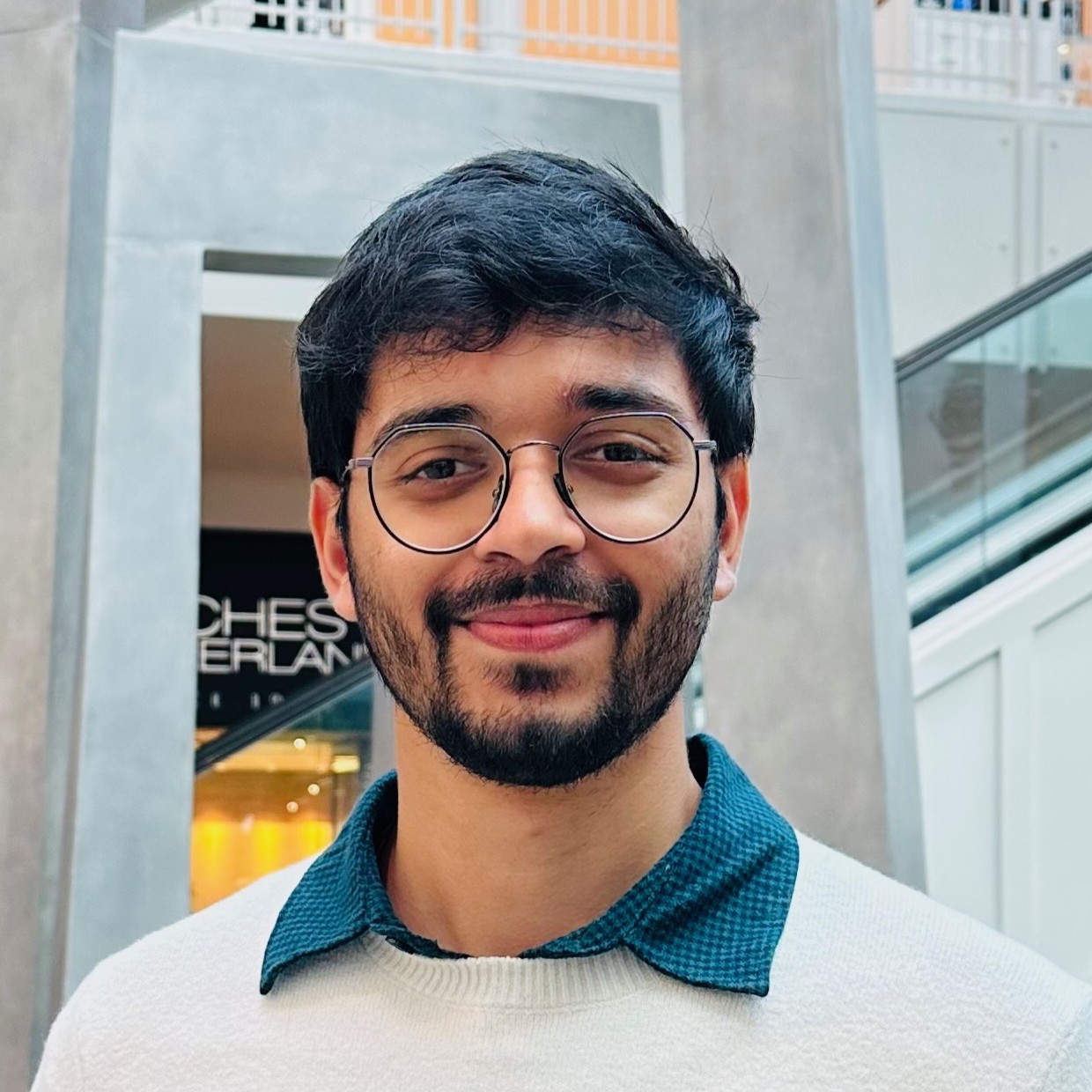
Georgia Tech
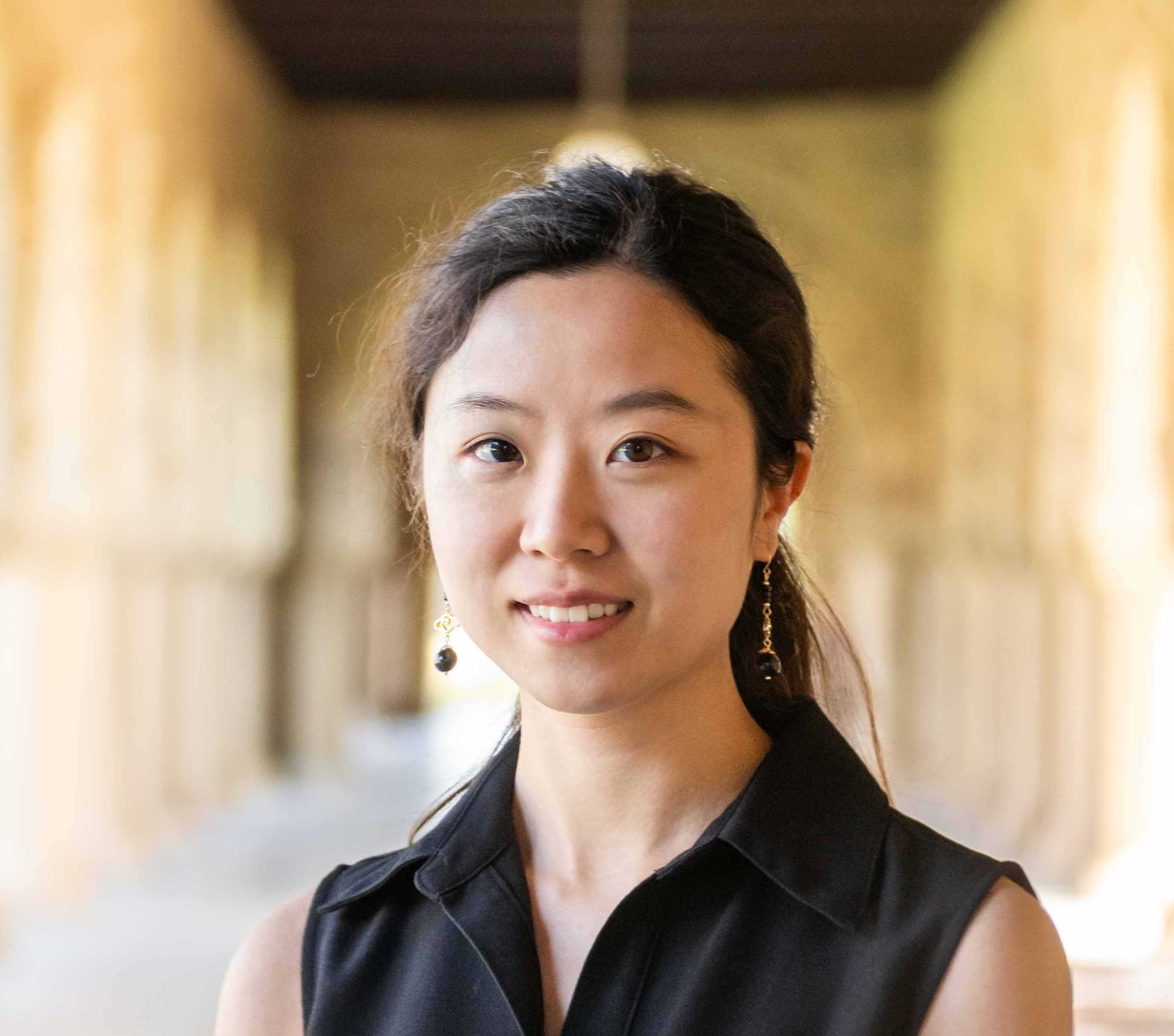
Stanford University
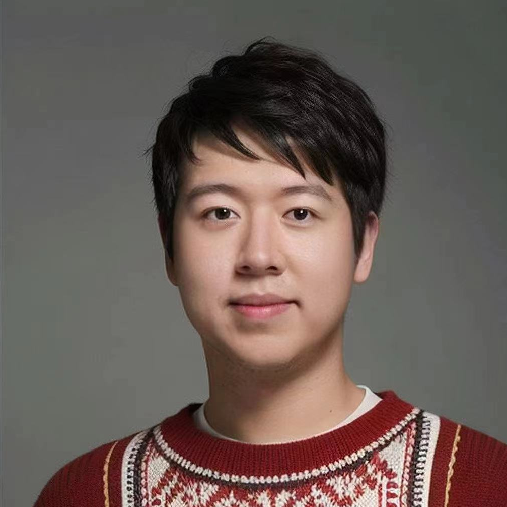
Tsinghua University
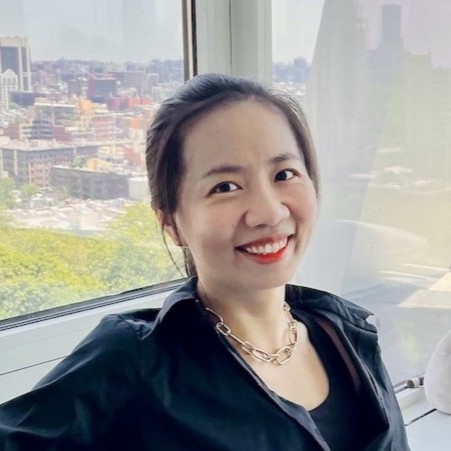
Stanford University
We gratefully acknowledge X Square Robot for sponsoring the workshop's Best Paper Award ($1,000) and Best Student Paper Award ($500).